

Are You a Candidate for Eyelid Rejuvenation?
At CarlinVision, we offer cosmetic eyelid surgery to address drooping eyelids, excess skin, and fatty tissue that can make the eyes appear tired, heavy, or older. In some cases, sagging upper eyelids may also obstruct peripheral vision and make everyday activities more difficult. Our experienced ophthalmologists combine an in-depth understanding of the eyes with personalized surgical care to help patients achieve a more refreshed appearance while protecting their eye health, comfort, and vision.
What Is Cosmetic Eyelid Surgery?
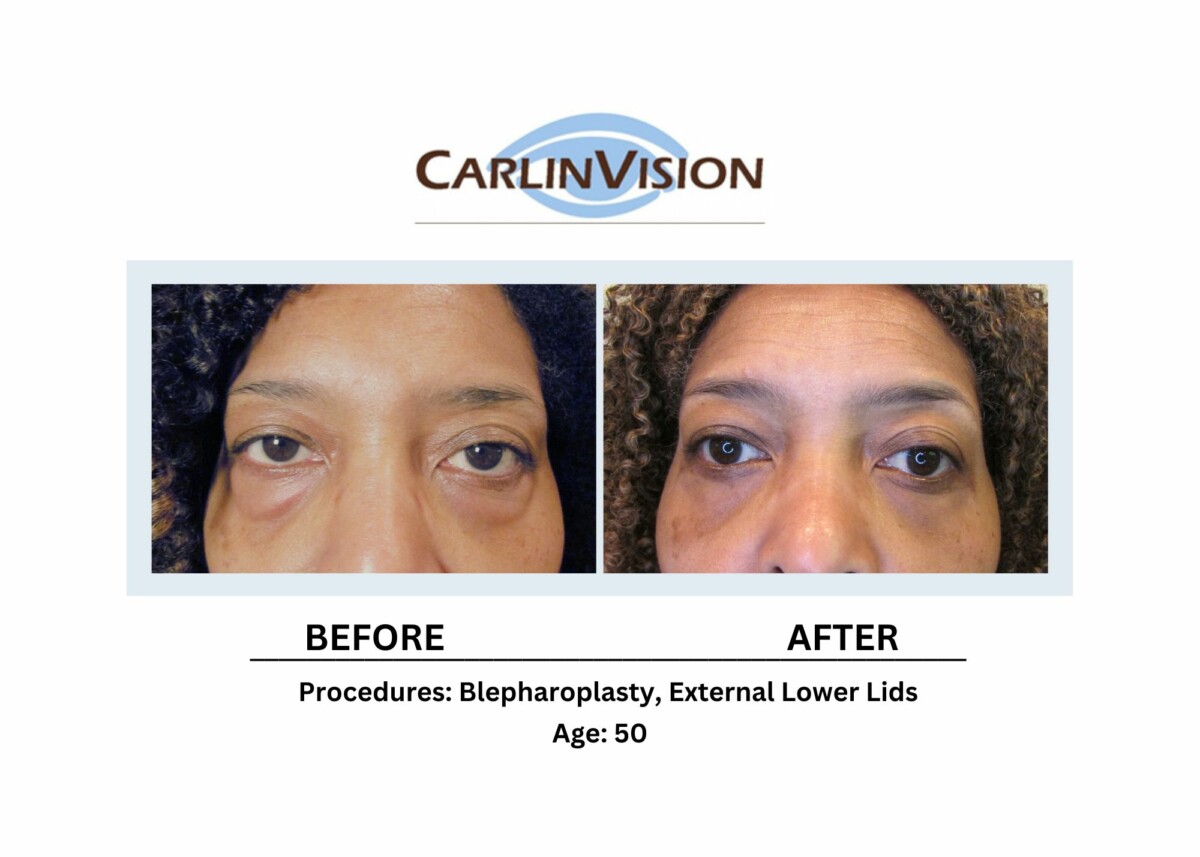
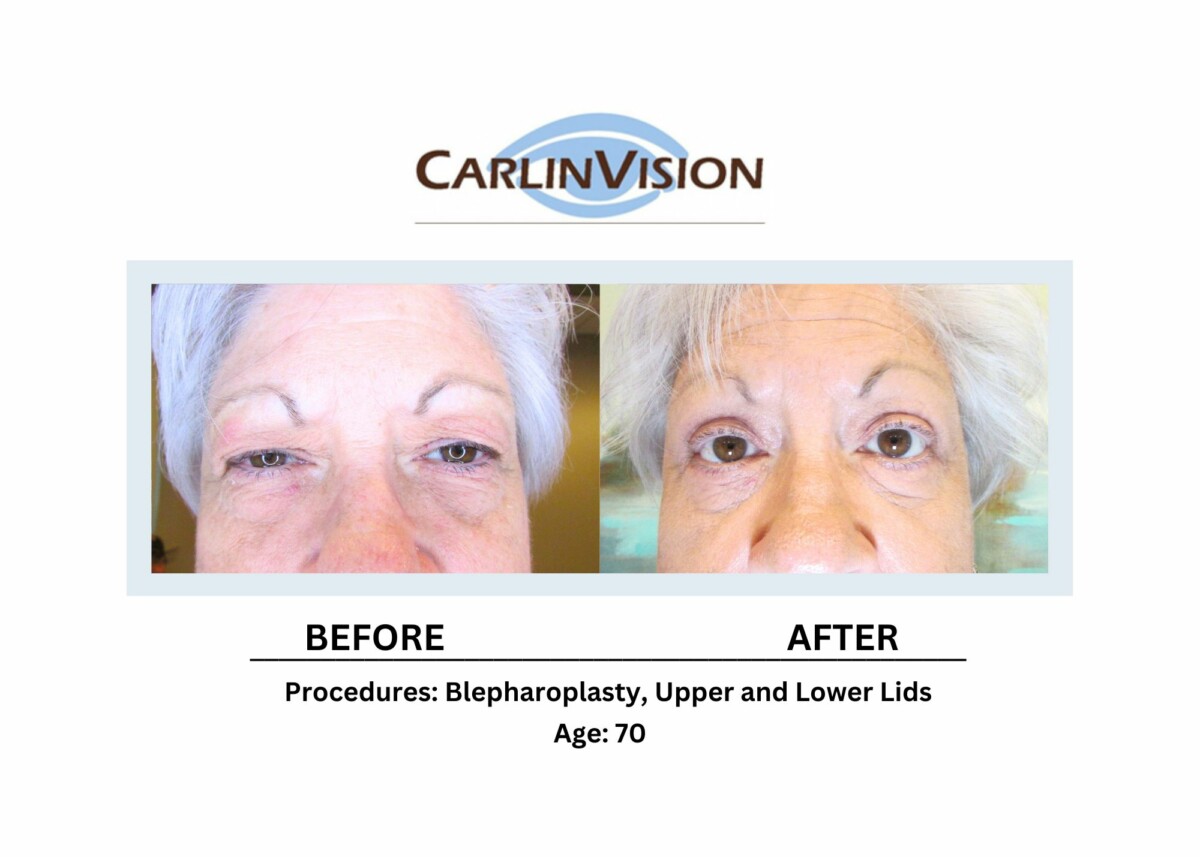
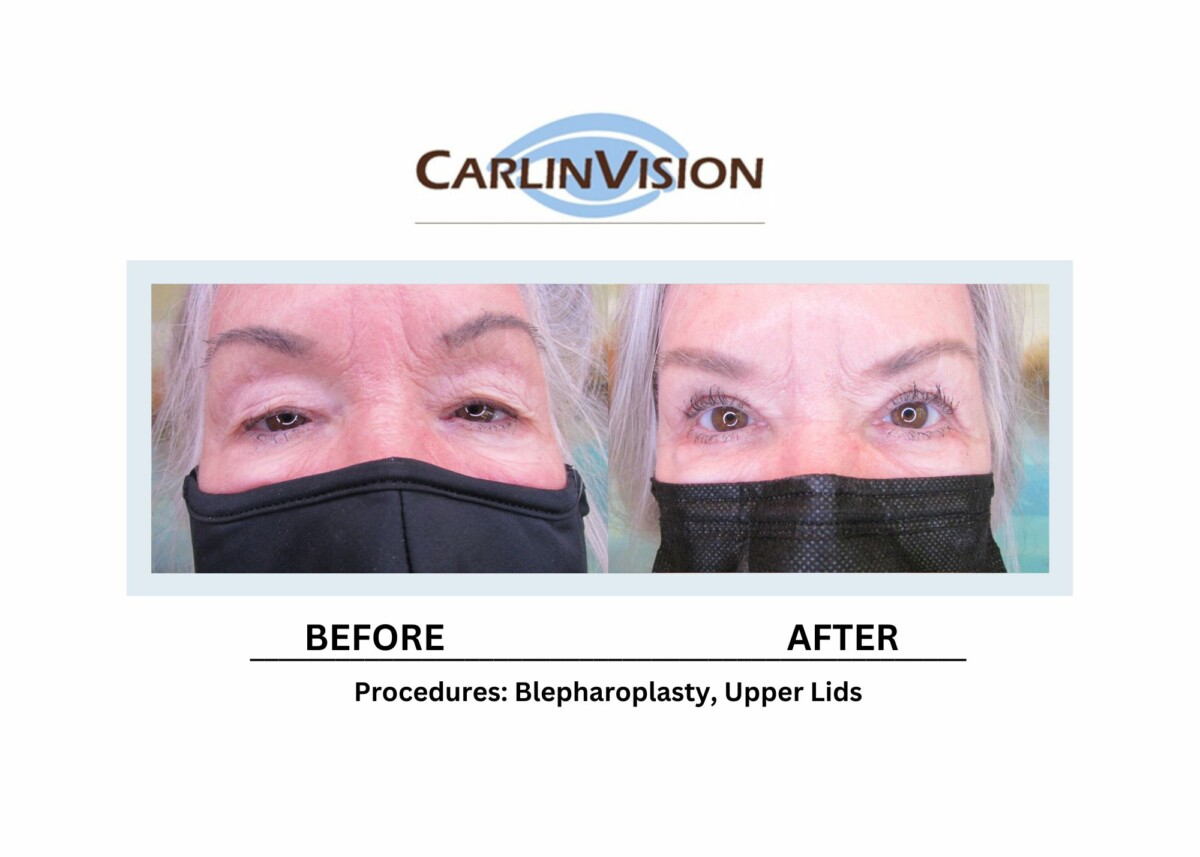
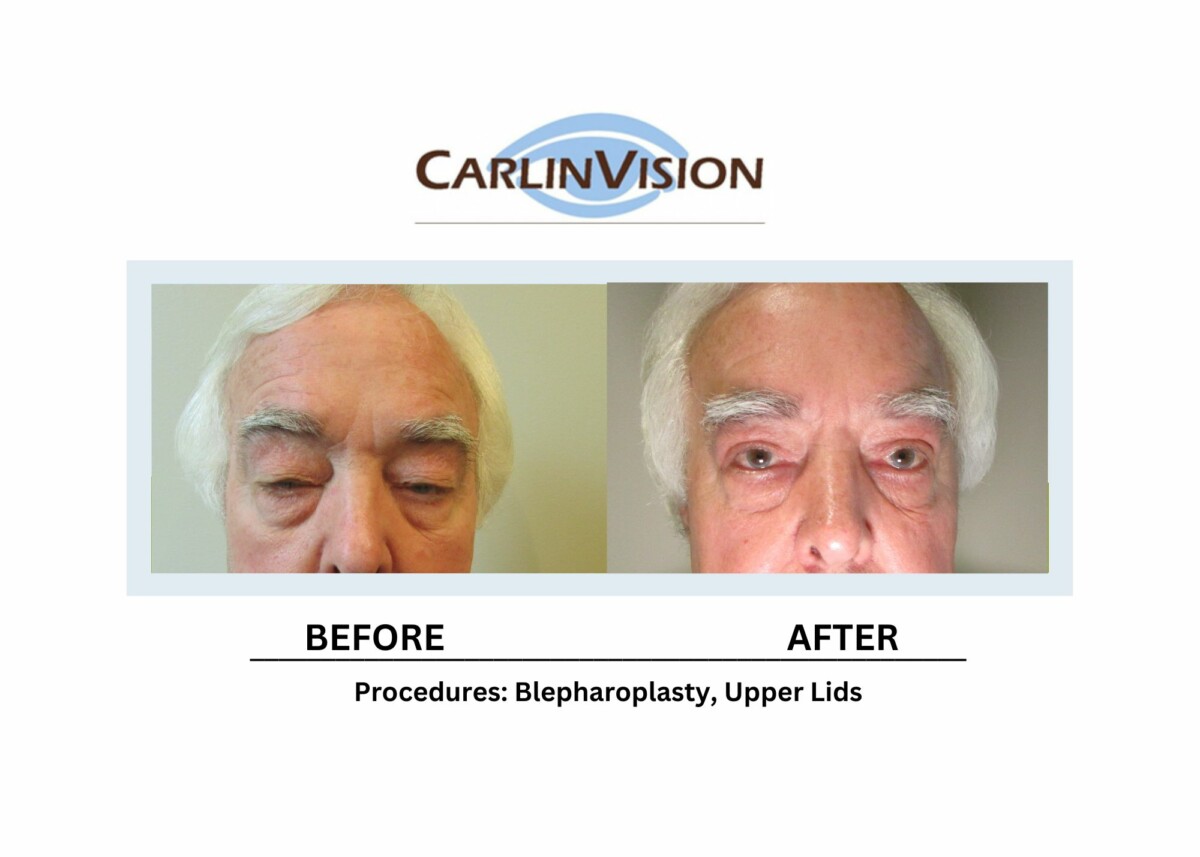
Cosmetic eyelid surgery, also known as blepharoplasty or eyelid rejuvenation, is a surgical procedure that removes or repositions excess skin and fat from the upper or lower eyelids. Upper eyelid surgery may address folds of loose skin that create a heavy appearance or extend over the natural eyelid crease. Lower eyelid surgery may reduce puffiness, under-eye bags, or bulging fatty tissue.
As the body ages, the delicate skin around the eyes gradually loses elasticity and stretches. The orbital septum, which helps hold the fat that cushions the eye in place, may also weaken. This can allow fat to move forward, making the eyelids appear bulky or swollen. Age and heredity are common causes of these changes, but sun exposure, nutrition, seasonal allergies, frequent eyelid rubbing, makeup removal, and repeated contact lens insertion may also affect the eyelid area.
Candidates for Eyelid Rejuvenation
Eyelid rejuvenation may be appropriate for adults who are bothered by drooping upper eyelids, under-eye bags, excess skin, or a persistently tired appearance. Candidates should generally be in good overall health, have realistic expectations, and understand what the procedure can and cannot accomplish. It is also important to tell your ophthalmologist about any eye conditions, previous procedures, medications, allergies, or health concerns that could affect surgery or healing.
During your consultation at CarlinVision, our team will examine your eyes and eyelids, review your health history, and discuss your cosmetic and functional concerns. We will also evaluate whether excess skin, weakened eyelid muscles, or a combination of factors is causing the problem. This distinction is important because blepharoplasty and ptosis repair address different anatomical concerns.
If excess upper eyelid skin interferes with your field of vision, the procedure may be considered medically necessary rather than solely cosmetic. Medical insurance may help cover treatment when specific requirements are met. Coverage varies by insurance plan, and testing or documentation may be required before the procedure can be authorized.




What Is Ptosis?
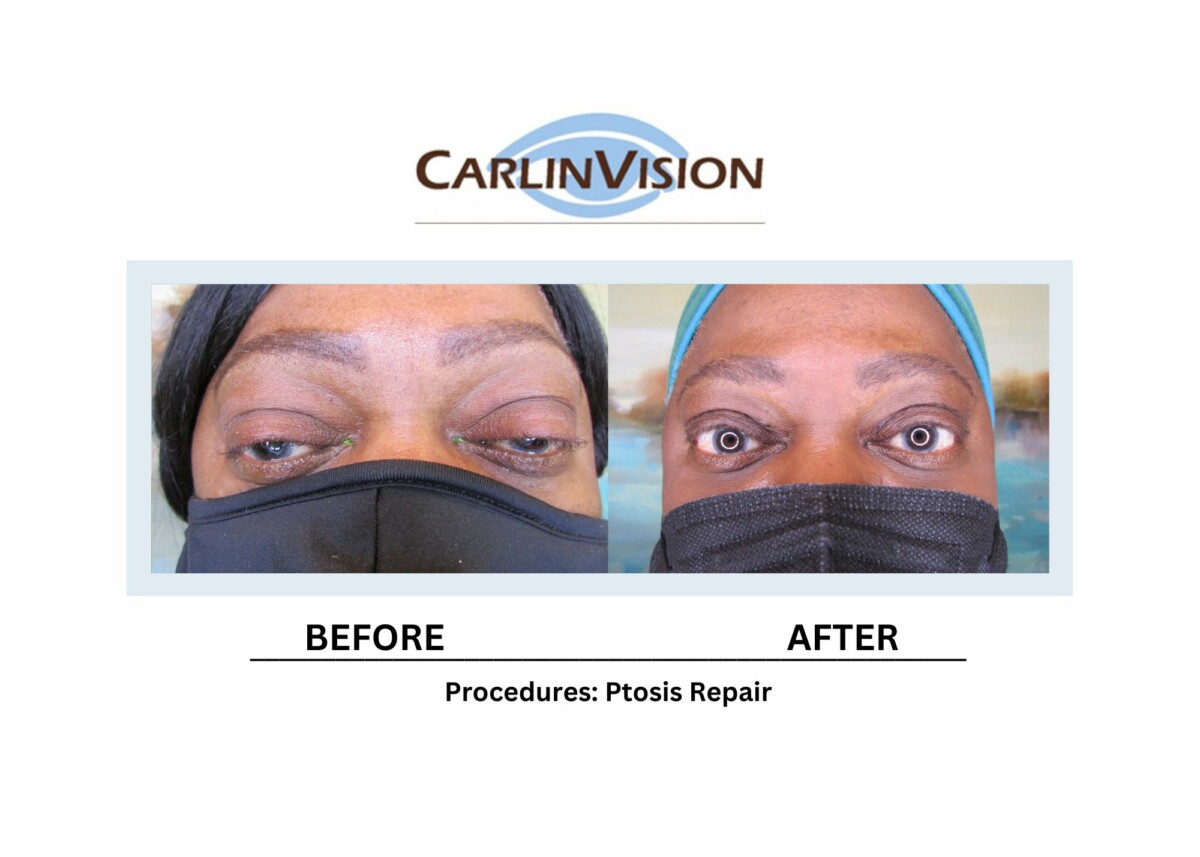
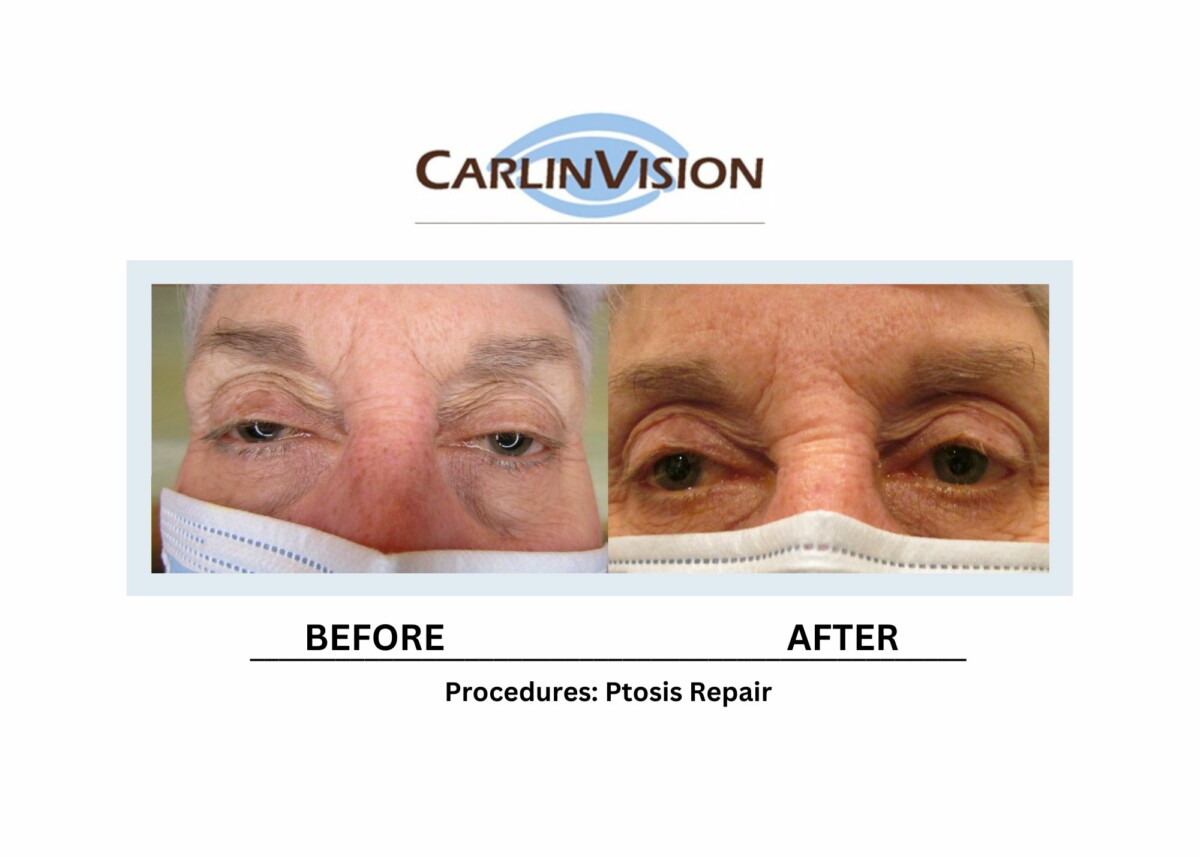
Ptosis is a condition in which one or both upper eyelids sit lower than they should. Although it can resemble drooping caused by excess eyelid skin, ptosis involves the eyelid’s position itself. The condition may make a person appear tired or create noticeable asymmetry between the eyes. More significant ptosis can obstruct the upper field of vision and interfere with reading, driving, or other daily activities.
The most common cause of ptosis in adults is age-related stretching or weakening of the levator muscle, which lifts the upper eyelid. Ptosis may also be present at birth or develop because of trauma, previous eye surgery, muscle disorders, or neurological conditions. Children can be born with ptosis or develop it later due to injury or another medical concern. Because significant eyelid drooping can affect children’s visual development, an ophthalmic evaluation is especially important.
Ptosis repair tightens or repositions the eyelid-lifting muscle to raise the eyelid to a more appropriate position. This procedure is different from blepharoplasty, which primarily removes excess skin and fatty tissue. Some patients may benefit from both procedures when they have loose skin and a weakened eyelid muscle.
The Eyelid Surgery Procedure
Your procedure will be planned according to the cause of your eyelid concerns and whether treatment involves the upper eyelids, lower eyelids, or eyelid-lifting muscles. During upper eyelid blepharoplasty, the surgeon typically places an incision within the eyelid’s natural crease. The surgeon carefully removes excess skin and, when appropriate, fatty tissue. The surgeon then closes the incision so the resulting scar blends with the eyelid crease as it heals.
Lower eyelid surgery may involve an incision placed beneath the eyelashes or inside the lower eyelid, depending on the concerns being treated. The surgeon can then adjust the fat and skin responsible for puffiness or under-eye bags. Ptosis repair focuses on adjusting the levator muscle or another structure that supports the eyelid.
CarlinVision performs ptosis repair in our ambulatory surgery center, and it generally takes about 20 to 40 minutes. Total time for cosmetic eyelid surgery varies based on the areas treated and the procedure’s complexity. Your surgeon will explain the surgical plan, anesthesia options, and what to expect before treatment.
Recovery and Results
Swelling, bruising, tenderness, tightness, dryness, or temporary blurred vision can occur during early recovery. These effects generally improve as the eyelids heal. Cold compresses, prescribed medications, lubricating eye drops, and keeping the head elevated may help support a comfortable recovery. Patients should follow all postoperative instructions and avoid rubbing their eyes, strenuous activity, and wearing eye makeup until their surgeon says it is safe.
Depending on the technique used, stitches may need to be removed during a follow-up visit. Although many patients feel comfortable returning to work and social activities after the initial swelling and bruising have improved, healing times vary. Incision lines typically become less noticeable over time, and results continue to develop as swelling resolves.
As with any surgical procedure, eyelid surgery has potential risks. These may include infection, bleeding, dry eyes, difficulty closing the eyes, eyelid asymmetry, scarring, changes in eyelid position, or the need for additional treatment. Your ophthalmologist will review the potential benefits and risks based on your eye health and individual treatment plan.

Why Choose an Ophthalmologist?
The eyes and eyelids are closely linked anatomically and functionally. Ophthalmologists focus specifically on the medical and surgical care of the eyes, giving them specialized knowledge of the structures responsible for vision, eye movement, tear production, and eyelid function. This expertise is especially valuable when eyelid surgery is intended to improve both appearance and vision.
While other specialists perform cosmetic procedures throughout different areas of the face and body, ophthalmologists are trained to evaluate how changes to the eyelids may affect the eyes themselves. CarlinVision also treats patients referred by other surgical specialists when uncommon eye-related complications occur after eyelid surgery.
Schedule a Consultation
If drooping eyelids, excess skin, or under-eye bags affect your vision or confidence, CarlinVision can help you explore your treatment options. During your evaluation, our experienced team will determine whether blepharoplasty, ptosis repair, or another approach may be appropriate for your needs. Contact CarlinVision today to schedule your consultation.



Dr. Carlin is a highly experienced, board-certified ophthalmologist and Diplomate of the American Board of Ophthalmology with more than five decades of experience in vision care and surgical innovation. A graduate of the University of Illinois College of Medicine, he completed his ophthalmology residency at the University of Michigan before serving in the United States Navy in Key West, Florida. In 1977, he founded CarlinVision and has since built a longstanding reputation for excellence in LASIK, cataract surgery, refractive procedures, and cosmetic eyelid surgery. Throughout his career, Dr. Carlin has completed more than 11,000 procedures and remains at the forefront of advanced laser and refractive technologies. He is a Fellow of the American Academy of Ophthalmology and an active member of multiple leading professional organizations, reflecting his enduring commitment to clinical excellence and patient care.
Begin Your
Journey Here
Whether you’re curious about a treatment, service, or your eye health in general, we’re here to answer your questions. Contact us at (770) 979-2020 or use our online form to get in touch.