Medical professional image 1

Phakic Implantable Collamer Lens (ICL)

About Phakic ICLs

At CarlinVision, we offer phakic implantable collamer lenses, or ICLs, to help patients reduce their dependence on glasses or contact lenses when LASIK may not be the best option. This advanced vision correction procedure places a biocompatible lens inside the eye while preserving the eye’s natural lens. By combining surgical experience with modern diagnostic technology and individualized treatment planning, our team provides care focused on clarity, comfort, and confidence at every stage of your treatment journey. If a high prescription, dry eye concerns, or corneal limitations prevent you from choosing laser vision correction, a phakic ICL may provide sharp, stable vision and greater freedom throughout your daily activities.

What Are Phakic ICLs?

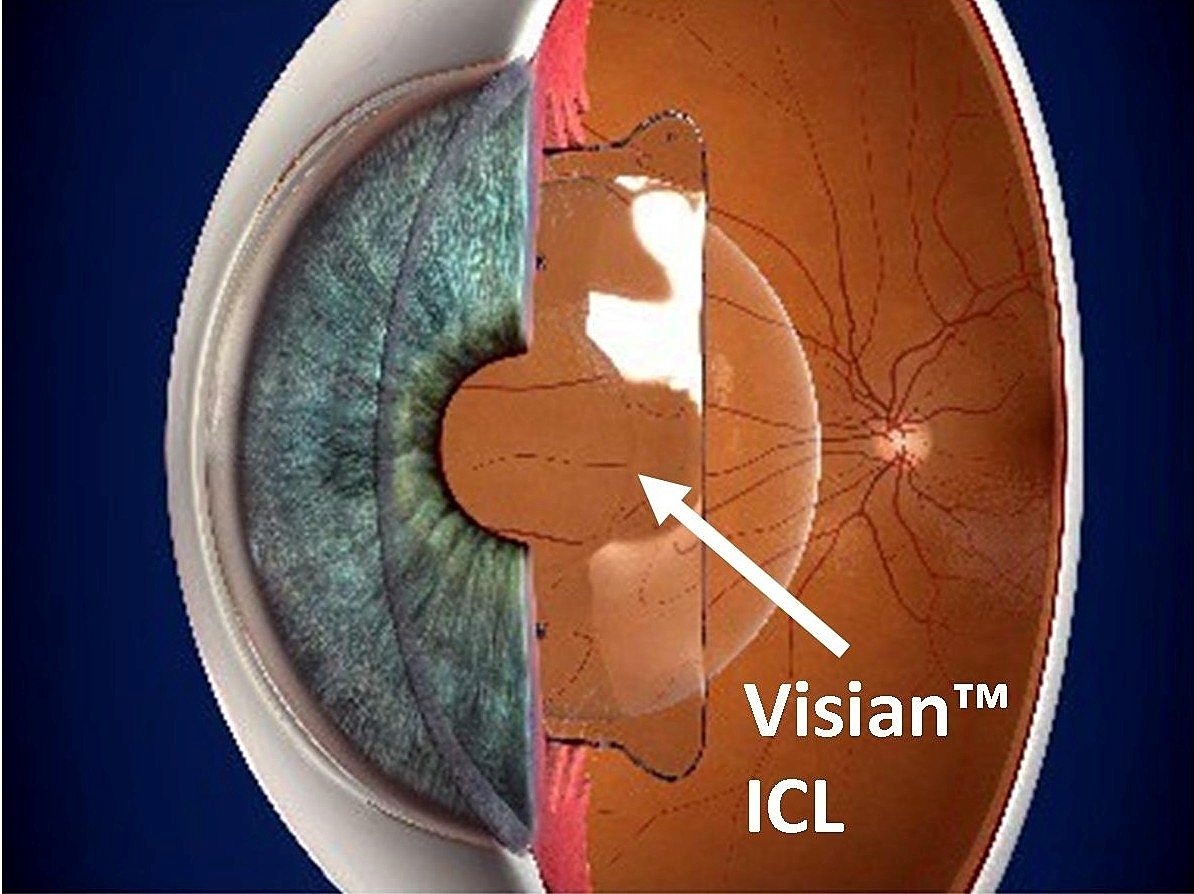
A phakic ICL is a flexible lens implanted behind the iris and in front of the natural lens. “Phakic” means the natural lens remains in place. Unlike LASIK, the procedure does not remove corneal tissue or permanently reshape the cornea. The lens is made from Collamer®, a biocompatible material designed to work in harmony with the eye, and it includes ultraviolet protection. Phakic ICLs are primarily used to correct moderate to severe nearsightedness and may also correct astigmatism when a toric lens is selected. The implant is invisible to others and requires no maintenance.

img

Trusted Experts for Your Eye Care

At CarlinVision, you’ll find a trusted team of specialists dedicated to delivering exceptional eye care with advanced technology and genuine compassion. From routine exams to life-changing vision procedures, our patients choose us for expertise they can see and care they can feel.

schedule today

Candidates for Phakic ICLs

Phakic ICLs may be appropriate for adults who want freedom from glasses or contacts but are not ideal candidates for LASIK or another corneal procedure. They are often considered for patients with severe nearsightedness, thin corneas, dry eye concerns, or prescriptions outside the preferred range for laser correction. Candidates should have stable vision, healthy eyes, and enough space inside the eye to safely accommodate the lens. During your evaluation at CarlinVision, our team performs a comprehensive examination, reviews your vision history, and takes detailed measurements. These findings help determine whether an ICL is suitable and which lens power may best support your goals.

The Phakic ICL Procedure

The ICL procedure is performed on an outpatient basis and takes about 15 to 30 minutes per eye. Numbing drops are used, and medication may be provided to help you relax. Through a small incision, the surgeon inserts the folded lens and positions it behind the iris and in front of the natural lens. In most cases, the incision is designed to heal without stitches. When both eyes require treatment, they are typically treated separately according to the surgeon’s recommendation and your personalized care plan. Because corneal tissue is not removed, the implant can be removed or replaced if medically necessary, although another procedure would be required.

Advantages of Phakic ICLs

Phakic ICLs can provide excellent vision quality with predictable, stable correction for qualified patients. The lens can treat a broad range of nearsighted prescriptions, including levels that may not be suitable for LASIK, and toric models may correct astigmatism. Because the procedure does not reshape the cornea, it may help patients with thin corneas or dry eye concerns. The Collamer® material is biocompatible, the lens is not visible after implantation, and it requires no cleaning or maintenance. Although many patients reduce their dependence on corrective eyewear, results vary, and glasses may still be useful for certain distances or activities.

Recovery and Results

Visual recovery after phakic ICL surgery is usually rapid. Many patients notice clearer vision within 24 to 48 hours and can often return to work and activities within a few days, depending on their surgeon’s guidance. Temporary blurry vision, glare, halos, light sensitivity, irritation, or fluctuating vision may occur as the eye heals. You will receive instructions about prescribed eye drops, driving, bathing, exercise, and avoiding eye rubbing. Follow-up visits allow our team to check lens position, eye pressure, and healing. As with any eye surgery, risks are possible, including infection, inflammation, increased eye pressure, cataract formation, or the need for additional treatment.

Schedule a Consultation

If glasses or contact lenses interfere with your lifestyle, CarlinVision can help you explore your vision correction options. During your free, no-obligation evaluation, our experienced team will examine your eyes, learn about your priorities, review the benefits and limitations of phakic ICLs, and explain what you can expect before, during, and after treatment. If an ICL is not the best choice, we will discuss other solutions suited to your eye health, prescription, and goals.

Are you ready to see more clearly and feel confident about your care? Contact CarlinVision today by completing our online contact form to schedule your consultation and take the next step toward greater visual freedom.

Frequently Asked Questions

What are the main benefits of Phakic implantable collamer lenses?

When you have an implantable collamer lens, you can finally have clearer vision and reduce how much you rely on glasses or contact lenses. It can be especially beneficial for those who have higher prescriptions, have dry eyes, or are not good candidates for LASIK.

Will I need glasses after the procedure?

Most patients who have an ICL inserted don’t need glasses after the procedure. That said, some patients still need to wear glasses in certain situations. It can depend on your prescription and your eye and vision concerns.

Is there any recovery time?

Yes, there is a recovery period after an implantable collamer lens (ICL) procedure, though it is generally fast. Most patients notice improved vision within 24 to 48 hours. While full healing takes about 1–3 months, you can usually resume most normal daily activities, such as driving and returning to work, within 1–2 days.

What eye issues can a Phakic ICL address?

Phakic ICLs can address nearsightedness (high myopia), farsightedness, and astigmatism.

Is any anesthesia used during the ICL procedure?

General anesthesia or sedation is typically used during the ICL procedure to ensure you’re comfortable and pain-free.

Is there anything I need to avoid after the ICL procedure?

After your ICL procedure, you’ll want to avoid rubbing your eyes, getting water or soap in your eye, and engaging in any strenuous activities for 1-2 weeks. You will also need to avoid driving for 24 to 48 hours.

How long is the ICL procedure?

The ICL procedure is very quick. It typically takes 15-30 minutes per eye

Dr Richard Carlin
 |  + posts

Dr. Carlin is a highly experienced, board-certified ophthalmologist and Diplomate of the American Board of Ophthalmology with more than five decades of experience in vision care and surgical innovation. A graduate of the University of Illinois College of Medicine, he completed his ophthalmology residency at the University of Michigan before serving in the United States Navy in Key West, Florida. In 1977, he founded CarlinVision and has since built a longstanding reputation for excellence in LASIK, cataract surgery, refractive procedures, and cosmetic eyelid surgery. Throughout his career, Dr. Carlin has completed more than 11,000 procedures and remains at the forefront of advanced laser and refractive technologies. He is a Fellow of the American Academy of Ophthalmology and an active member of multiple leading professional organizations, reflecting his enduring commitment to clinical excellence and patient care.

Begin Your
Journey Here

Whether you’re curious about a treatment, service, or your eye health in general, we’re here to answer your questions. Contact us at (770) 979-2020 or use our online form to get in touch.

Go to Top