

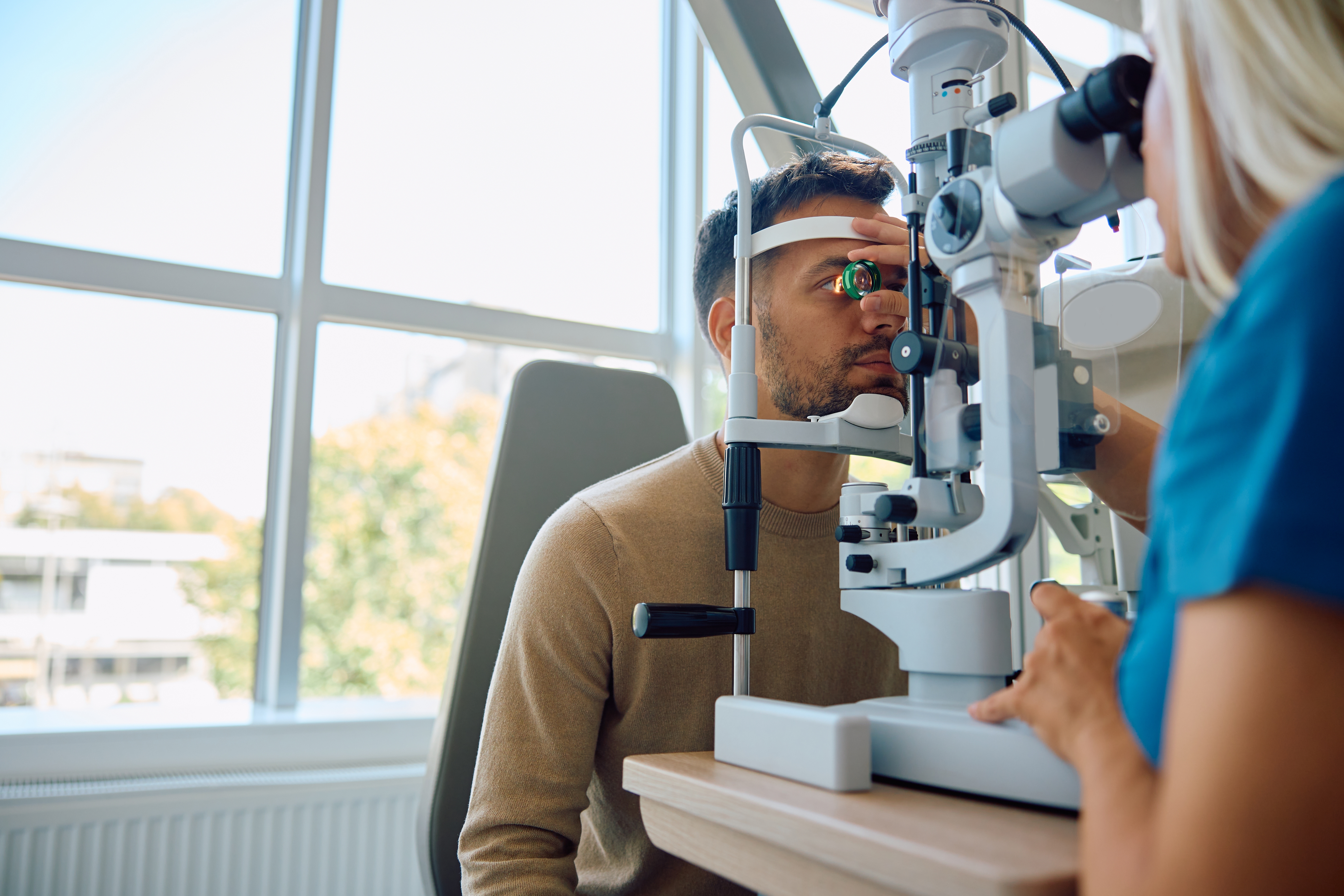
Many people only visit the eye doctor when they notice a problem. However, annual eye exams are an important part of maintaining lifelong visual health. At CarlinVision in Snellville, our experienced team of providers, are dedicated to protecting your eyesight...
read moreAt CarlinVision, we offer refractive lens exchange to help patients reduce their dependence on glasses or contact lenses when LASIK may not be the best option. This advanced vision correction procedure replaces the eye’s natural clear lens with an artificial lens selected to support your individual vision goals. By combining decades of surgical experience with modern diagnostic technology and premium lens options, our team provides personalized care focused on clarity, comfort, and confidence. If changing prescriptions, reading glasses, or contact lenses interfere with your daily life, refractive lens exchange may offer a lasting solution and greater visual freedom for many activities throughout your busy day.
What Is Refractive Lens Exchange?
Refractive lens exchange, sometimes called clear lens exchange, is a surgical procedure that removes the eye’s natural lens before a cataract has significantly developed and replaces it with an intraocular lens implant. The procedure is similar to cataract surgery, which our experienced team has performed for more than 40 years, but its primary purpose is to correct refractive errors and reduce reliance on prescription eyewear. Because the natural lens is replaced, it cannot later develop a cataract. Depending on the implant selected, refractive lens exchange may address nearsightedness, farsightedness, astigmatism, and age-related difficulty focusing at near distances.
Candidates for Refractive Lens Exchange
Refractive lens exchange may be appropriate for adults who want greater freedom from glasses or contacts but are not ideal candidates for LASIK or another corneal procedure. It is often considered for patients with high prescriptions, thin or irregular corneas, dry eye concerns, or presbyopia, the gradual loss of near focusing ability that typically develops with age. During your evaluation at CarlinVision, our team performs a comprehensive eye examination, reviews your health history, measures your eyes, and discusses how you use your vision at work, at home, and during hobbies. These findings help us determine whether lens exchange is suitable and which implant may best match your needs.
The Refractive Lens Exchange Procedure
Refractive lens exchange uses techniques similar to modern cataract surgery. A small, blade-free femtosecond laser incision is created, and high-frequency sound waves gently emulsify the natural lens so it can be removed. A carefully selected artificial lens is then inserted through the same small opening and positioned inside the eye. The procedure is generally painless, takes about 10 minutes per eye, and usually requires no stitches. Patients typically receive numbing drops and medication to promote comfort. When both eyes require treatment, they may be treated on separate days according to the surgeon’s recommendation and the patient’s personalized care plan.
Lens Implant Options
Choosing the right lens implant is an important part of treatment planning. Monofocal implants provide clear vision at one primary distance and are commonly selected to emphasize distance vision in both eyes. With monovision, one eye is focused for distance while the other is focused for near tasks, which may reduce the need for reading glasses. Premium lens implants are designed to provide a broader range of vision, helping qualified patients see at distance, intermediate, and near ranges. Some implants can also correct astigmatism. No lens is ideal for everyone, so we explain the benefits, limitations, and possible visual tradeoffs of each option before you decide.
Recovery and Results
Visual recovery after refractive lens exchange is usually rapid, although each eye heals at its own pace. Many patients notice clearer vision soon after treatment, with improvement continuing as the eye heals and the brain adapts to the new lens. Temporary blurry vision, glare, halos, light sensitivity, mild irritation, or dryness may occur during the early recovery period. You will receive detailed instructions about prescribed eye drops, activity restrictions, and protecting your eyes. Follow-up visits allow our team to monitor healing and answer questions. As with any surgery, risks are possible, including those associated with standard cataract procedures, but serious complications are rare.
Schedule a Consultation
If glasses or contact lenses no longer fit your lifestyle, CarlinVision can help you explore your options. During your free, no-obligation evaluation, our experienced team will examine your eyes, learn about your priorities, review available lens implants, and explain what you can reasonably expect before, during, and after treatment. If refractive lens exchange is not the best choice, we will discuss other vision correction solutions suited to your eye health and goals. Are you ready to see more clearly and feel confident about your care? Contact CarlinVision today by completing our online contact form to schedule your consultation and take the next step toward greater visual freedom.
Frequently Asked Questions
Is the refractive lens exchange procedure painful?
Will I need to wear glasses or contact lenses after refractive lens exchange?
Do I need to avoid anything after the refractive lens exchange procedure?
Is refractive lens exchange covered by insurance?
Who is a good candidate for refractive lens exchange?
Are there any side effects with refractive lens exchange?
What anesthetic is used during refractive lens exchange?

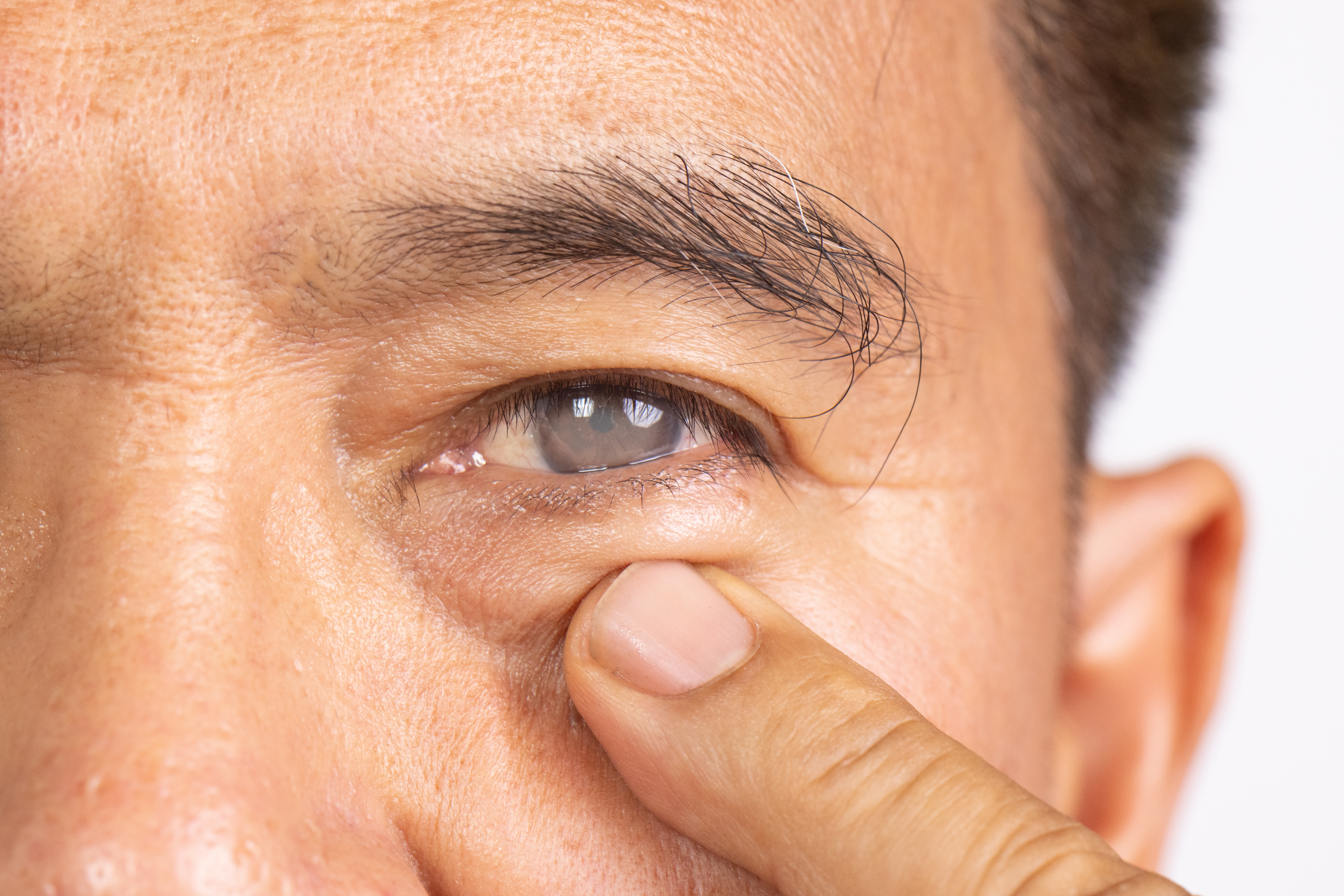
As people enter their sixties, vision changes become almost universal, often leading to cloudy sight, glare issues, and difficulties with night driving. If this sounds familiar, you may be experiencing cataracts—one of the most common age-related vision problems. At CarlinVision...
More From Our Blogs


Dr. Carlin is a highly experienced, board-certified ophthalmologist and Diplomate of the American Board of Ophthalmology with more than five decades of experience in vision care and surgical innovation. A graduate of the University of Illinois College of Medicine, he completed his ophthalmology residency at the University of Michigan before serving in the United States Navy in Key West, Florida. In 1977, he founded CarlinVision and has since built a longstanding reputation for excellence in LASIK, cataract surgery, refractive procedures, and cosmetic eyelid surgery. Throughout his career, Dr. Carlin has completed more than 11,000 procedures and remains at the forefront of advanced laser and refractive technologies. He is a Fellow of the American Academy of Ophthalmology and an active member of multiple leading professional organizations, reflecting his enduring commitment to clinical excellence and patient care.
Begin Your
Journey Here
Whether you’re curious about a treatment, service, or your eye health in general, we’re here to answer your questions. Contact us at (770) 979-2020 or use our online form to get in touch.